
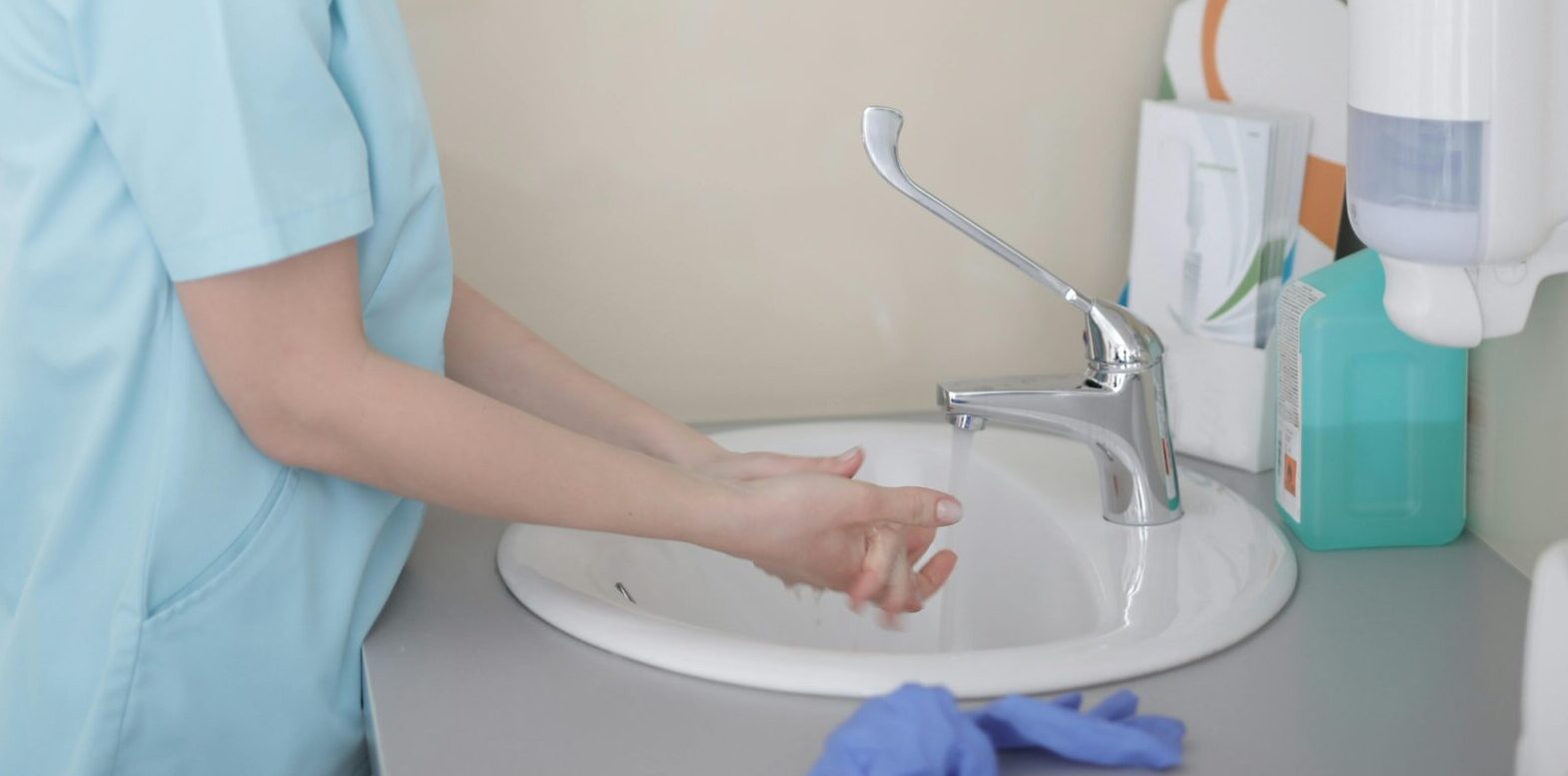
If you’re a nurse, you know the struggle — between the endless hand washing, alcohol gels, glove changes, and constant scrubbing, our hands take a serious beating. By the end of a long shift, they’re often dry, sore, and sometimes even cracked or bleeding.
It’s not just about comfort either — healthy skin is essential to protect you from infections and keep you doing the job you love. In this post, I’ll share why hand care matters for nurses, my step-by-step hand care routine, and the best hand creams for nurses in 2025.
Why Hand Skin Care Matters for Nurses
The reality of constant washing & sanitising
Nurses wash their hands up to 100 times a shift — add alcohol-based gels, and you’ve got a recipe for skin damage. These products are great for killing germs but strip away natural oils.
How alcohol-based gels damage the skin barrier
The alcohol breaks down the protective lipid barrier, which leaves skin prone to dryness, irritation, and cracking.
The long-term impact of ignoring skin health
Neglecting your hands can lead to dermatitis, painful fissures, and even time off work. Think of hand care as part of your PPE.
Common Hand Problems Nurses Face
- Dryness and flaking – The most common complaint.
- Cracks and bleeding knuckles – Often from cold weather plus over-washing.
- Dermatitis and allergic reactions – Can be triggered by certain soaps or gloves.
- Infections from broken skin – Any cut is a potential entry point for bacteria.
The Nurse’s Hand Care Routine (Step-by-Step)
Step 1 – Gentle cleansing between shifts
At home, swap harsh soaps for a mild, fragrance-free cleanser. Your hands don’t need a hospital-grade scrub when you’re off duty.
Step 2 – Applying a barrier cream before work
This forms a protective shield that reduces moisture loss and makes it easier to wash without drying out your skin.
Step 3 – Moisturising after every wash
Keep a small tube in your pocket and apply a pea-sized amount after washing. Yes, it feels like a faff — but it works.
Step 4 – Intensive repair at night
Before bed, use a rich cream and cotton gloves to lock in moisture overnight. You’ll wake up with noticeably softer hands.
Best Hand Creams & Barrier Creams for Nurses (2025)
Here are my tried-and-tested favourites. All links are Amazon affiliate links — meaning I may earn a small commission if you purchase through them, at no extra cost to you.
1. O’Keeffe’s Working Hands Cream – Budget-friendly & effective
A cult favourite for nurses — non-greasy, absorbs fast, and repairs cracks quickly.
Buy on Amazon UK →
2. Aveeno Skin Relief Hand Cream – Gentle & fragrance-free
Colloidal oatmeal formula that soothes and protects sensitive skin.
Buy on Amazon UK →
3. Neutrogena Norwegian Formula Hand Cream – Intense repair
Super concentrated — a pea-sized drop goes a long way. Perfect for winter.
Buy on Amazon UK →
4. Gloves In A Bottle Shielding Lotion – Barrier protection
Acts like an invisible glove, great for before shifts to prevent irritation.
Buy on Amazon UK →
5. Eucerin Advanced Repair Hand Cream – Dermatologist-recommended
Ideal for severe dryness and eczema-prone skin.
Buy on Amazon UK →
Extra Tips to Protect Your Hands at Work
- Choose nitrile gloves over latex where possible to reduce irritation.
- Avoid hot water — it strips oils faster.
- Pat hands dry instead of rubbing.
- Carry a travel-sized moisturiser in your scrub pocket.
Final Thoughts: Make Hand Care Part of Your Nursing Routine
Your hands are one of your most important tools as a nurse — they care for others, so it’s time to care for them. A simple routine and the right products can mean the difference between painful, cracked skin and hands that feel healthy, soft, and strong.
Take a minute after each wash, invest in a barrier cream, and treat yourself to a nightly repair routine — your future self (and your patients) will thank you. 💙