
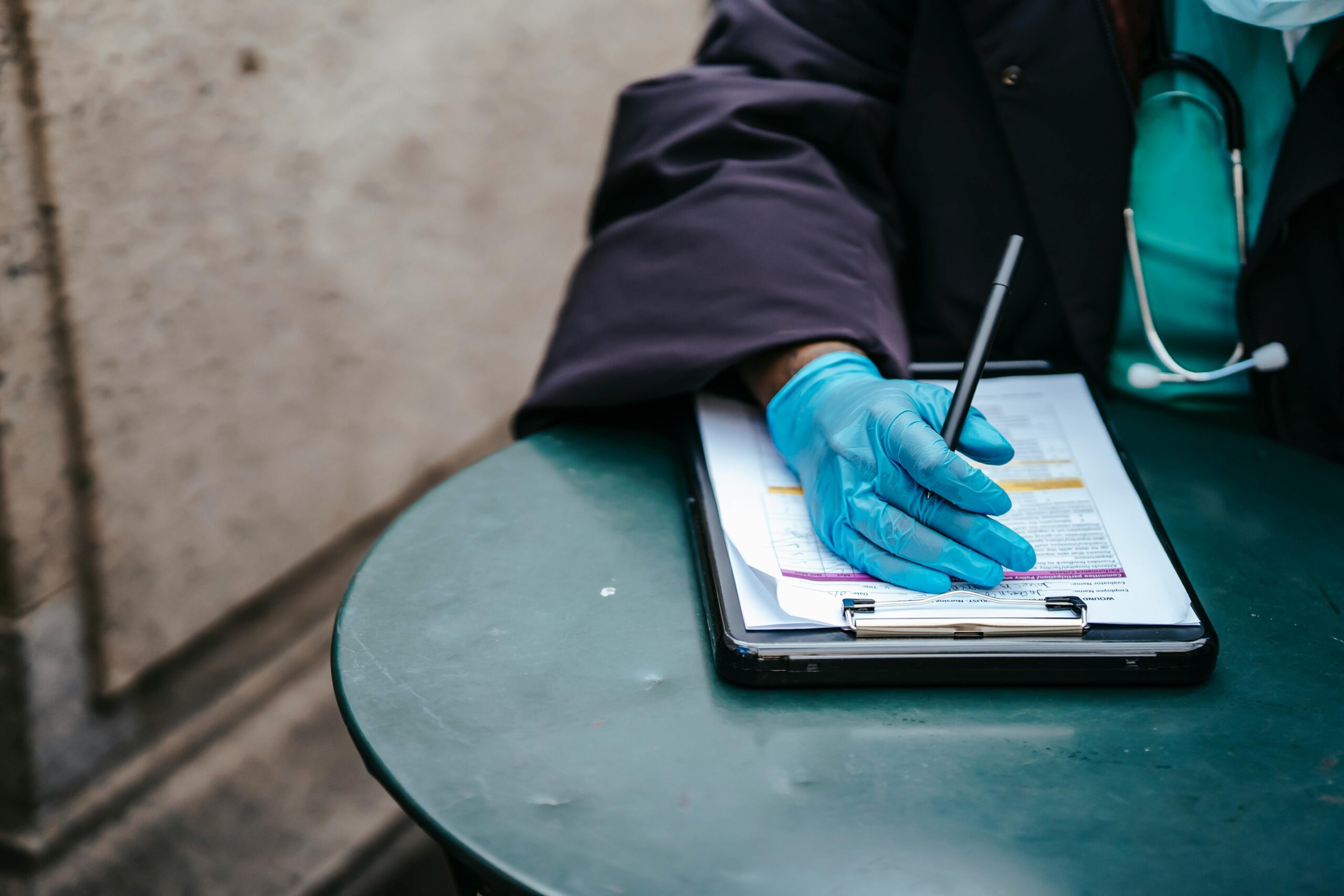
If you ask most nurses what eats up a huge chunk of their shift, the answer is simple: Documentation.
Documentation is one of the most important things we do as nurses. It protects our patients, ourselves, and our profession. But let’s be honest — it can also feel like a mountain of paperwork that steals time away from the bedside.
The good news? With the right strategies, you can document smarter, not longer — keeping your documentation safe, accurate, and aligned with the Nursing and Midwifery Council (NMC) Code.
Why Documentation Matters More Than You Think
Nursing documentation isn’t just about ticking boxes. It’s a legal, professional, and clinical requirement. Good documentation:
- Protects patients by ensuring safe, continuous care.
- Protects nurses in the event of investigations, complaints, or litigation.
- Helps the wider healthcare team make safe, informed decisions.
The Consequences of Poor Documentation
Poor or incomplete charting can have serious consequences:
- Patient Safety Risks – Missed allergies, incomplete observations, or forgotten interventions can lead to harm.
- Legal/Professional Risks – In court or during investigations, documentation is treated as evidence. If it’s not written, it’s assumed not done.
- Accountability Issues – Inadequate records can put your NMC registration at risk.
- Team Breakdown – The next shift may not trust or be able to rely on your handover if your notes aren’t accurate.
What the NMC Code Says About Documentation
The NMC Code (2018) is clear:
“Keep clear and accurate records relevant to your practice.”
According to the Code, you must:
- Complete records at the time or as soon as possible after care is provided.
- Clearly record any assessments, planning, decisions, actions, and evaluations.
- Ensure records are accurate, secure, and do not include unnecessary jargon or speculation.
- Never tamper with records or falsify information.
In other words: documenting isn’t optional — it’s a professional duty. But it doesn’t have to be overwhelming.
Documentation Hacks to Save Time (Without Cutting Corners)
Here are my tried-and-tested hacks for documenting faster and safer:
1. Document in Real Time Where Possible
It’s tempting to “save it for later,” but delayed charting means you’ll forget details and take longer trying to recall events. Real-time notes are more accurate and reduce errors. If needed, scribble quick notes on a scrap “brain sheet” or folded handover paper while with patients. Then transfer to the official record at the earliest chance.
👉 Hack: Document immediately after patient interactions (e.g., meds, obs, wound care) instead of batching everything at the end. Even 30 seconds here and there saves 30 minutes at the end.
2. Prioritise the Essentials First
If you’re short on time, focus on what is safety-critical: obs, medications, allergies, interventions, and any changes in condition. You can always go back to add narrative detail.
👉 Hack: Think “What would I want to know if I was the next nurse taking over this patient?” That’s what needs to be written first.
3. Use 24-Hour Clock & Short Date Format
Always write times in 24-hr clock (e.g., 14:00 not 2pm). It’s safer and quicker. Use short date format (dd/mm/yy) unless policy says otherwise.
👉 Hack: Fill in date and time before you start your note — it becomes habit.
4. Develop a Routine
Consistency = speed. Whether it’s documenting head-to-toe, by body system, or in SBAR format, a routine stops you from bouncing around and missing things.
👉 Hack: Always document in the same sequence. Your brain will “autopilot” the order over time.
5. Pre-Fill Headers/Patient Details
On paper charts, fill in patient identifiers and headings in bulk at the start of shift. Saves time when documenting later.
👉 Hack: Do all the boring admin bits (date, name, hospital number) in one go
6. Use SBAR to Guide Notes
SBAR (Situation, Background, Assessment, Recommendation) isn’t just for handovers — it’s brilliant for notes too. It keeps documentation structured, clear, and relevant.
👉 Hack: Try writing one patient note in SBAR today. You’ll notice how much clearer it is compared to a free-flow narrative.
7. Batch Tasks Smartly
Jumping between patients, notes, and obs is inefficient. Instead, batch smartly. For example, complete observations for 2–3 patients, then sit to chart them together.
👉 Hack: Avoid batching too much. Never leave documenting the whole ward until the end — that’s when errors creep in
8. Keep Notes Professional, Concise and Legible
Your documentation should be factual, clear, and free of personal commentary. You don’t need a novel — just the essentials, written professionally.
👉 Hack: Swap “patient seems fine” for “patient alert, orientated, obs stable, pain score 2/10.” Shorter and more precise.
9. Use Abbreviations Wisely (But Safely)
Common, approved abbreviations (BP, HR, IV, NBM) save writing time. However, avoid “local slang” or unapproved short forms that others may not understand.
👉 Hack: Keep a personal list of trust-approved abbreviations handy.
10. Don’t Be Afraid to Ask for Training
Most of us are self-taught if you are documenting electronically. But trusts and hospitals often offer documentation workshops or quick guides. Knowing all the features could save you hours of unnecessary work.
👉 Hack: Ask IT or your practice development team about hidden functions (like bulk charting vitals, auto-populated care plans, or pre-set checklists).
Common Documenting Mistakes to Avoid
- Over-documenting: Wasting time on irrelevant details.
- Copying without editing: Risks dangerous errors.
- Leaving charting until the end of shift: Leads to rushed, inaccurate notes.
- Using jargon/slang: Records must be professional and clear.
Tips for Students and New Nurses
Documenting feels overwhelming at first — but it’s a skill that grows with practice.
- Use structured templates (SBAR, head-to-toe) until it feels natural.
- Ask experienced nurses what their “time savers” are.
- Make a personal cheat sheet of abbreviations and common phrases.
- Always double-check your documentation with your mentor until you’re confident.
Final Thoughts
Documenting is never going away — but it doesn’t have to swallow your whole shift. By following the NMC Code, avoiding common pitfalls, and using smart hacks, you can save time while still keeping your documentation safe, accurate, and professional.
At the end of the day, documenting smart means more time for your patients — and less stress for you. 💙