
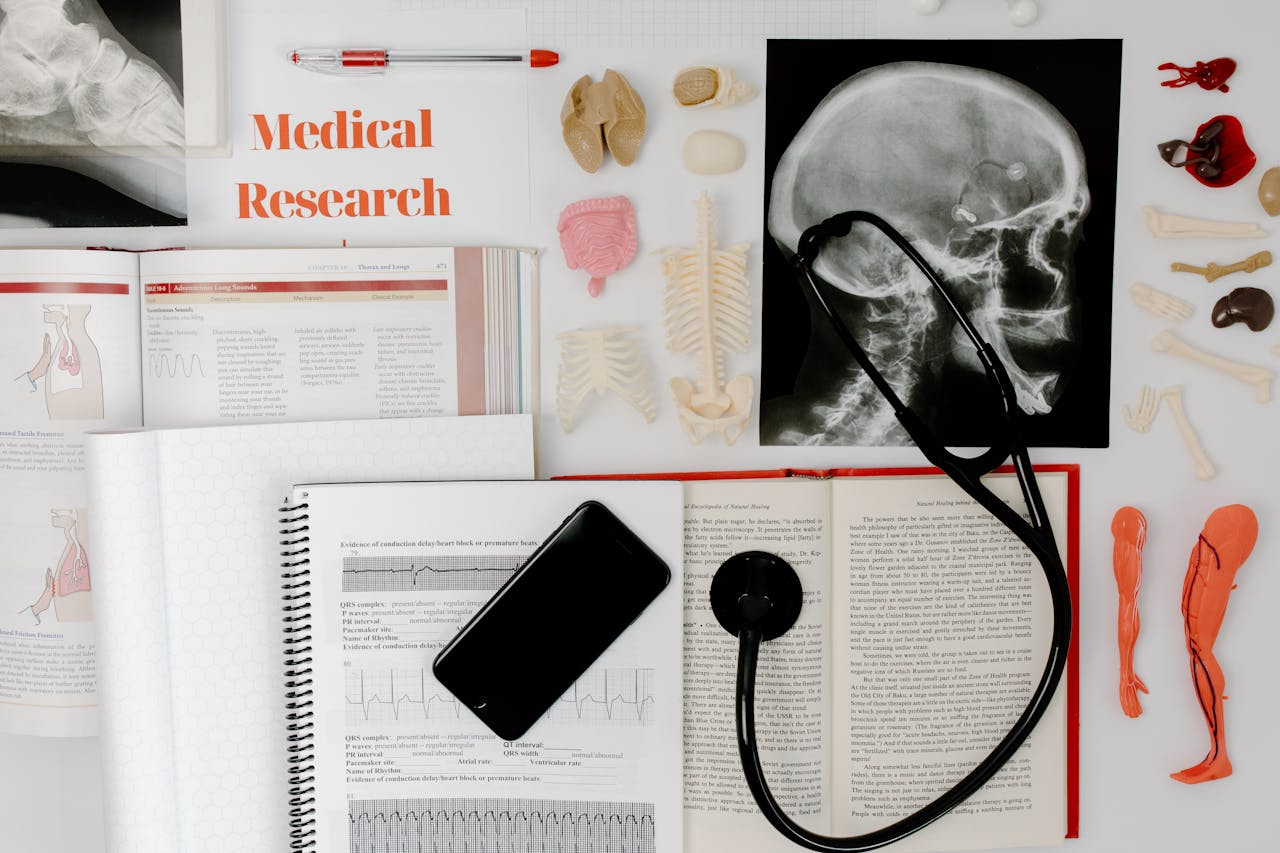
🩺 Why Resources Matter in Emergency Nursing
Working in the ED in the NHS is fast-paced, emotionally intense, and incredibly rewarding—but it’s also a constant learning curve. Whether you’re just out of university or you’ve been in scrubs for years, having reliable, UK-relevant resources for emergency nurses is key to staying confident and competent on shift.
As an emergency nurse myself, I’ve leaned heavily on books, podcasts, CPD platforms and apps to help me grow and cope in this high-pressure environment. So here’s a curated list of my go-to resources for emergency nurses—everything from clinical tools to inspiring content that keeps me grounded after a long shift.
📚 Essential Books for Emergency Nurses
Most products are easily and conveniently obtainable from Amazon (as an Amazon Associate I earn from qualifying purchases)
- Emergency Nursing at a Glance – Natalie Holbery & Paul Newcombe
A visual, easy-to-follow overview that’s perfect for student nurses, newly qualified staff, or those switching into A&E. - Oxford Handbook of Emergency Nursing – Kate Curtis & Clair Ramsden
A compact, NHS-aligned clinical guide that fits in your pocket and covers everything from trauma to mental health. - The Royal Marsden Manual of Clinical Nursing Procedures – by Sarah Lister, Justin Hofland, Hayley Grafton & Catherine Wilson
A classic UK reference covering best practice procedures—especially useful for preceptorship and revalidation. - Fundamentals of Anatomy and Physiology: for nursing and healthcare students – Ian Peate & Suzanne Evans
- An introduction to the normal structure and function of the human body, vital for student nurses and healthcare workers.
- Fundamentals of Applied Pathophysiology: An essential guide for nursing and healthcare students – Ian Peate
- Understanding abnormal changes in the human body. The perfect match with the anatomy and physiology introduction book above.
If you prefer physical books to other learning resources, check out these books also:
- ABG Interpretation for Nurses: Everything You Need To Know To Interpret Arterial Blood Gases (Resources for RNs & RRTs) – NEDU A guide to understanding arterial blood gas readings, essential for working in the ED.
- The ECG Made Easy – John Hampton & Joanna Hampton An introductory guide to ECG interpretation, hailed by the British Medical journal as a ‘Medical Classic’. Enhances the appropriate diagnosis, treatment and management of patients.
- Medical Pharmacology at a Glance – Michael Neal An overview of medication and how it works within the human body. Also, Explaining a wide range of drugs for treatment for various medical conditions.
Its important to point out that books are a brilliant resource, however they may not be the most up-to-date with evidence based research so use them as a basis for clinical knowledge. Medical care is changing rapidly with new treatments and management plans, so it is important to use the latest book editions and refer to recent research papers too.
🎧 Podcasts Every Emergency Nurse Should Hear
- The Resus Room
Run by UK clinicians, this is one of the best resources for breaking down guidelines, trauma, and cardiac arrest cases. - RCN Nursing Matters
Covers current issues in UK nursing, including workforce pressures, legislation, and patient safety. - You’re Kidding, Right?
A paediatric emergency medicine podcast with relevance to those working in mixed A&E departments. - A Nurses Lift to work?
Two nurses chatting, coaching and changing your thinking. Sharing everyday wisdoms and top tips. - The Nursing Podcast
Covering information nurses need to know to accelerate their career. Advice and support for student nurses.
Podcasts are a brilliant listening resource to create downtime on breaks or after shift. Even on days off while you may be out for a walk, doing chores or just relaxing, so give it a try!
💡 Online Platforms & CPD Tools
- e-Learning for Healthcare (e-LfH) – Free with NHS email
Interactive modules including sepsis, triage, safeguarding, and acute mental health. - RCN Learning Hub
Wide range of CPD content including webinars, guidelines, and emergency nursing topics. - Health Education England
CPD frameworks and career progression pathways for A&E nurses and urgent care professionals. - UK Sepsis Trust – Resources for Professionals
Free toolkits, NICE guideline summaries, and early warning strategies for emergency teams. - NHS Knowledge & Library Hub
Search clinical journals, NICE guidance, and full-text evidence-based articles—free to NHS staff. - Nursing Times
Everything you need to know for all healthcare workers. CPD support. Health promotion and news reports. - Nursing & Midwifery Council
Nursing support and templates for revalidation - British Medical Journal
Aimed more specifically for doctors but offers extensive access to medical research and news
Extra Resources:
Universities can provide CPD courses that could be funded through your NHS Trust. Find out more from your Practice Development Nurses or Clinical Education Departments at work. Additionally, simply search on the associated University website for all the provided courses.
Consequently, hospital libraries offer a wide range of books and electronic resources for emergency nurses and all clinical staff. This is normally a free service and libraries can request transfer of books that may not be initially available onsite from other hospitals too.
Moreover, most hospitals now store there policies and procedures online via their trust website. They can be easily viewed and printed if needed.
📱 Apps That Make A&E Life Easier
- MicroGuide
Trust-specific antimicrobial guidelines in your pocket. - BNF & BNFC – Free via the NICE App
Quick UK-accurate drug info for adults and paeds. - iResus-Resuscitation Council UK App
ILS and ALS algorithms at your fingertips. - Mersey Burns App
Developed in the UK for accurate burn assessments and fluid resus. - MDCalc
Clinical scores and calculators, UK-compatible filter available. - iArrest
Recorded electronic scribing for cardiac arrests. Speech recognition instructions. Compression timer. Assisted support and treatment.
Apps are the easiest way to store and refer to crucial information while working due to fact you are already carrying your phone on you. Some departments may not allow this, however most apps can be accessed on the computer instead.
🫀 Final Thoughts
Being an A&E nurse in the NHS is an act of constant adaptation. Our environment demands clinical accuracy, emotional intelligence, and stamina—but with the right tools in your corner, it’s easier to stay grounded, safe, and confident.
“These resources have saved my sanity more than once, whether I needed a clinical answer fast, CPD hours for revalidation, or just a sense that I’m not alone in this chaotic, brilliant career.”
💬 Join the Conversation
Have a favourite book, podcast, or app I’ve missed?
Leave a comment below or tag me on [your Instagram handle]—I’d love to hear what helps you stay sharp on shift.